
Strait of Hormuz Open or Closed Today? Iran-Oman Deal, Oil Price Impact & Live Map (August 2026 Update)
Updated August 6, 2026 · World News & Energy Markets
If you've been searching "is the Hormuz Strait closed today," you're not alone. Millions of people are watching this narrow strip of water because it decides whether oil and gas keep flowing to the rest of the world, and whether prices at the pump stay calm or spike. This guide breaks down exactly where things stand right now, what the new Iran-Oman deal actually means, how it's already moving oil prices, and what could happen next.
What Is the Hormuz Strait and Why Does It Matter?
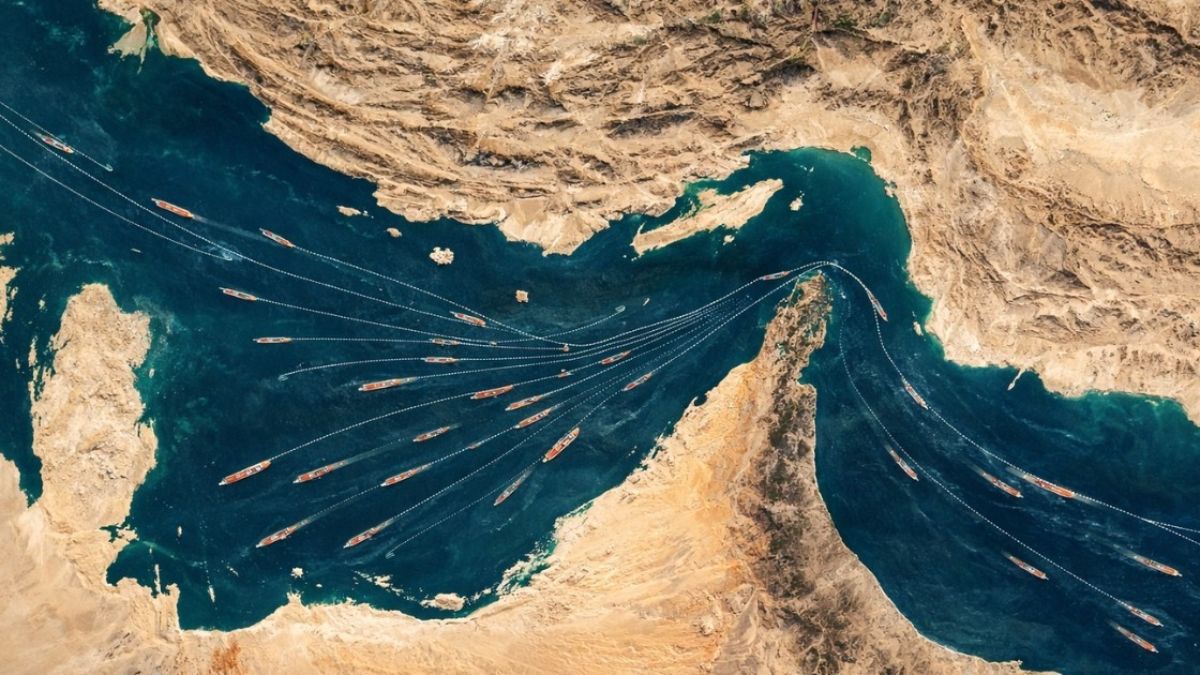
The Hormuz Strait is a narrow sea passage between Iran and Oman that connects the Persian Gulf to the open ocean. At its narrowest point, it's only about 21 miles wide, yet it's one of the most important shipping lanes on the planet. Roughly a fifth of the world's oil and a large share of global liquefied natural gas (LNG) pass through it every single day, feeding refineries and power plants from Rotterdam to Tokyo.
There's no easy detour either. Only Saudi Arabia and the UAE have pipelines that can move meaningful volumes of crude around the strait; everyone else, including Iran itself, depends on tankers physically sailing through this one bottleneck. That's exactly why a single warning from Tehran, a single missile strike, or a single diplomatic breakthrough can send oil prices lurching within hours. It isn't just a Middle East story, it's a story about what you pay for gas, plastics, airline tickets, and shipping on almost anything you buy online.
Hormuz Strait Closed or Open Today? The Full Picture
The honest answer is: it's complicated, and it changes fast. The Strait of Hormuz has not been fully, formally closed during the 2026 crisis, but for months traffic through it has been badly disrupted. Iran's Revolutionary Guard warned ships away, boarded vessels, and laid sea mines earlier this year, which pushed many shipping companies to avoid the route altogether or move through it only with extreme caution and naval escorts. At the worst point of the crisis, an estimated 14 million barrels of daily oil flow were disrupted, and dozens of tankers sat anchored off Omani ports waiting for the risk to pass.
Since then, there have been several rounds of ceasefires, threats, and renewed diplomacy, each one moving the needle a little. The most recent development is the biggest one yet. Iran's Foreign Ministry says it has reached an agreement with Oman on the coordinates of a new, safer shipping corridor through the strait, and a joint statement is reportedly in its final drafting stage, awaiting sign-off from the top.
Hormuz Strait News: What Changed This Week
- Iran and Oman have agreed on the geographic coordinates for a proposed safe shipping route through the strait.
- US President Donald Trump said an announcement could come within days, though he has also repeated threats of renewed military action if talks collapse.
- A senior Gulf official told reporters the chance of a finalized deal by the end of this week is close to 50-50, since Iran's Revolutionary Guard, which controls on-the-ground enforcement, hasn't been directly represented in the talks.
- Any deal is expected to be tied to the US easing its naval blockade on Iranian ports, and could open the door to renewed nuclear talks between the US and Iran.
- Qatar has separately called for freedom of navigation and regional consensus on any long-term arrangement governing the waterway, signaling that other Gulf states want a seat at the table too.
For readers who want the bigger economic picture, we broke down what a prolonged shutdown would actually mean for global trade and everyday prices in our earlier deep-dive on what happens to the global economy if the Strait of Hormuz stays blocked — worth a read if you want the full context behind today's headlines.
A Timeline of the 2026 Hormuz Crisis
To understand why this week's news matters so much, it helps to see how we got here. Here's a simplified timeline of the key turning points so far this year.
- Late February 2026The US and Israel launch strikes against Iran, marking the start of the broader conflict. Iran's Revolutionary Guard begins warning ships away from the strait shortly after.
- March 2026Iran targets shipping and lays sea mines, effectively paralyzing much of the Gulf's maritime traffic. Brent crude briefly spikes above $100 a barrel amid fears of a full-blown energy shock.
- April 2026A temporary ceasefire between Iran and the US is agreed, tied to reopening the strait, alongside a two-week US naval blockade of Iranian ports. Oman and Iran begin their first rounds of technical talks on restoring safe passage.
- June 2026An interim US-Iran agreement aimed at fully reopening the waterway is reached, but it ultimately collapses, showing just how fragile any deal in this region can be.
- Early August 2026Iran and Oman announce they've agreed on coordinates for a new safe shipping corridor, with a joint statement reportedly in its final drafting stage and officials calling a formal deal possible within days.
The Iran-Oman Deal, Explained Simply
Think of it like two neighbors arguing over a shared driveway. Iran controls the northern side of the strait, Oman controls the southern side, and both have legitimate security concerns. The new arrangement reportedly creates a "middle corridor" that lets tankers pass safely while letting Iran keep a hand in managing security, mine clearance, and maritime services along its side of the waterway.
It's important to note this isn't a permanent peace treaty. Regional officials describe it as a temporary, interim fix, similar to the agreement the US and Iran tried to reach back in June that later fell apart. So while it's genuinely good news for global markets, most analysts are treating it as a fragile first step rather than a done deal. The involvement, or lack of it, of Iran's Revolutionary Guard is being watched especially closely, since a political agreement in Tehran doesn't always translate into cooperation on the water.
Hormuz Strait Map: Where the Action Is Happening
Oil Price Impact: What's Happening to Crude Right Now
Oil markets move on headlines more than almost anything else, and Hormuz headlines have driven wild swings all year. Brent crude spiked above $100 a barrel during the worst of the crisis in March, then crashed back down as ceasefire hopes rose, then spiked again on fresh strikes in late June. Right now, with optimism building around the Iran-Oman route agreement, both Brent and WTI crude have been sliding for several straight sessions, with WTI trading near its lowest level in almost a month.
Traders are cautious about fully celebrating, though. Futures have been described as highly sensitive to every new headline, and many desks are keeping some hedges in place in case talks break down again, as they did once before in June. Analysts have also warned that markets may be "front-running" the best-case scenario, pricing in a smooth reopening while underestimating the odds of fresh logistical hiccups or a sudden flare-up in fighting.
Who Else Is Affected Beyond Iran and Oman
While Iran and Oman are the two countries physically bordering the strait, the ripple effects reach much further. Qatar, the world's largest LNG exporter, relies on the strait to ship nearly all of its gas and has pushed for a broader regional consensus rather than a deal negotiated by just two parties. Saudi Arabia and the UAE, which have limited pipeline alternatives, have watched anxiously from the sidelines. Major oil-importing economies like China, Japan, and India are similarly exposed, since a large share of their energy imports sail directly through this one chokepoint. Even European countries with no ships in the Gulf feel it indirectly, through higher global benchmark prices that shape what they pay for fuel and heating.
What to Expect Next
Watch for three things over the coming days: whether Iran's Supreme Leader formally approves the draft deal, whether the US agrees to ease its blockade on Iranian ports in return, and whether the Revolutionary Guard, which hasn't been directly part of the talks, goes along with the arrangement in practice rather than just on paper. Any one of these could speed things up or send the whole deal back to square one, so it's worth checking back for updates rather than assuming today's optimism is permanent.
Frequently Asked Questions
Tap a question to expand the answer
1Is the Strait of Hormuz closed right now?
No, it is not formally closed. As of early August 2026, commercial shipping is moving through the strait, though volumes remain lower than before the crisis and many vessels use caution or naval escorts. Iran and Oman have reached a draft agreement on a new safer shipping route, which could further stabilize traffic once it's formally signed off.
Source: Al Jazeera, August 5, 2026
2Why has the Strait of Hormuz been such a big issue in 2026?
Fighting between the US, Israel, and Iran that began in late February 2026 spilled into the Gulf, and Iran's Revolutionary Guard responded by warning ships away, attacking and boarding vessels, and laying sea mines in the strait. Since roughly a fifth of the world's oil and a large share of global LNG pass through this single waterway, the disruption triggered a genuine global fuel and shipping crisis.
3What is the new Iran-Oman deal about?
Iran and Oman, the two countries that border the strait, have agreed on the coordinates for a new "middle corridor" shipping route meant to let tankers pass safely while addressing both countries' security concerns. A joint statement was reported to be in its final drafting stage as of this week, with approval still needed from Iran's Supreme Leader.
Source: Bloomberg, August 5, 2026
4How has the Strait of Hormuz situation affected oil prices?
Oil prices spiked sharply whenever the strait faced serious disruption, with Brent crude briefly topping $100 a barrel in March during the worst fighting. More recently, growing optimism about the Iran-Oman shipping deal has pushed both Brent and WTI crude lower for several straight trading sessions, though analysts warn prices remain highly sensitive to any new setback in the talks.
Source: Rigzone, August 5, 2026
5What percentage of the world's oil passes through the Strait of Hormuz?
Before the 2026 crisis, roughly a quarter of the world's seaborne oil trade and about a fifth of global liquefied natural gas passed through the Strait of Hormuz, making it the single most important oil chokepoint on Earth.
6Could the Strait of Hormuz close again?
Yes, it's still possible. A senior Gulf official described the chance of a finalized deal this week as close to 50-50, partly because Iran's Revolutionary Guard, which controls much of the on-the-ground enforcement, hasn't been directly represented in the negotiations. Any renewed strikes or a breakdown in talks could quickly reverse recent progress.
Source: CNN, August 5, 2026
7Which countries are most affected if the strait shuts down?
Beyond Iran and Oman, the biggest exposure sits with Gulf oil producers like Saudi Arabia and the UAE, LNG exporter Qatar, and major importing economies such as China, Japan, and India that depend heavily on tankers moving through this one route. Global oil-importing nations more broadly feel the effect through higher benchmark prices even without ships of their own in the Gulf.
Source: PBS NewsHour, March 23, 2026