

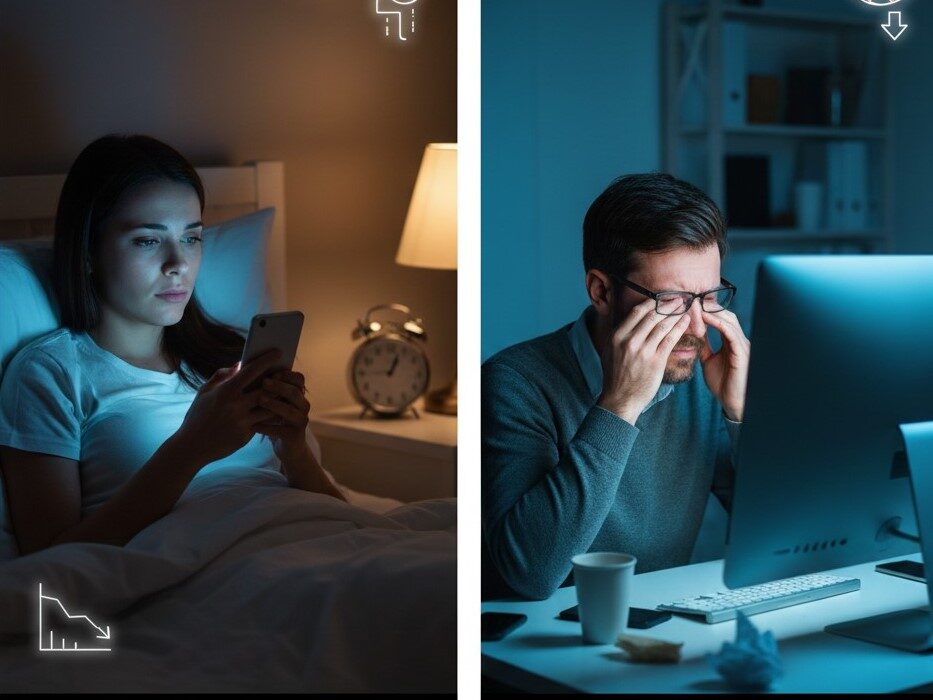
In today’s technologically-driven world, exposure to blue light eye damage is inevitable. From our use of cell phones, computers, tablets to LED lights, the emission of blue light is inevitable from any technological gadget we use. Although blue light has some positive aspects in the regulation of body clocks and making people more alert, excessive exposure to blue light, particularly in the evening, is likely to cause blue light eye damage. This is a major problem that needs to be addressed since the health consequences are dire.
What Is Blue Light Eye Damage and How Does It Affect the Body?
Blue light refers to an energy-rich and short-wavelength light found in natural sunlight. During daylight hours, blue light maintains concentration, promotes alertness, and assists in maintaining the body’s inner clock system referred to as the circadian rhythm. Nonetheless, artificial blue light emitted from digital gadgets, especially those used at night, interferes with the normal functioning of the sleep-wake cycle. Nighttime exposure results in low melatonin secretion, a hormone associated with sleep induction. Low levels of melatonin lead to sleeping difficulties, result in sleep deprivation, and may cause chronic sleep disorders. In the current days, nighttime use of gadgets has become a significant factor that triggers insomnia among individuals.
How Blue Light Disrupts Sleep and Overall Health
The effects of blue light on sleep are not limited to having trouble sleeping at night. When people experience poor sleep as a result of too much screen time at night, it can have detrimental consequences for their well-being, including feelings of exhaustion, impaired mental abilities, irritation, and lowered immune system functionality. People who do not obtain enough sleep on a regular basis can also suffer from lack of productivity, concentration, as well as the development of serious illnesses like obesity, diabetes, and heart disease. Therefore, when speaking about the effect that blue light has on sleep, it is no exaggeration to say that it is an important factor that determines one’s quality of life.
Blue Light Eye Damage: Symptoms and Risks
One of the most critical issues that are affected significantly by blue light is eye health. The most common form of blue light eye damage results in digital eye strain, commonly referred to as computer vision syndrome. Digital eye strain causes dry eyes, blurry vision, headaches, and other forms of discomfort in the eyes. Such forms of damage from blue light are especially common in people who work for long hours using computers and other technological devices. Eye damage can have significant impacts on a person’s productivity, necessitating the need to mitigate such risks.
Children and Young Adults: A Higher Risk for Blue Light Eye Damage
Younger people such as children and teenagers are especially sensitive to the adverse impact of blue light eye damage on their health. Indeed, the widespread use of smartphones, tablets, and other devices has increased screen time for the younger generation. The exposure of young people’s eyes to too much blue light in the evening may lead to problems with sleep and consequently affect their academic success, moods, and general health status. It is important to note that the younger people are in a developmental phase, and their eyes have not yet fully developed.