

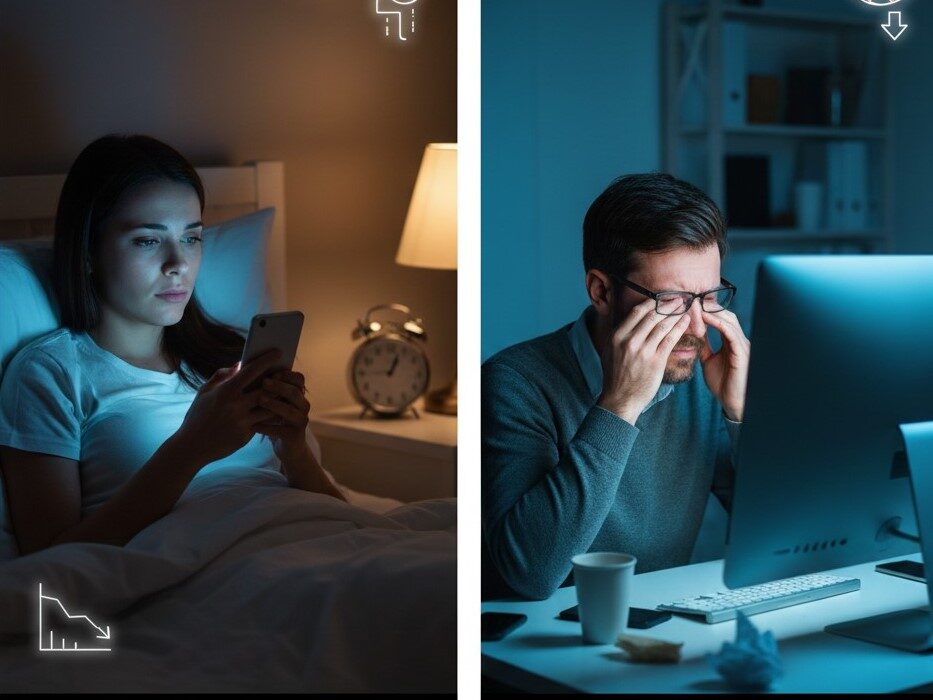
In today’s digital age, exposure to blue light has become an unavoidable part of daily life. From smartphones and tablets to computer screens and LED lighting, blue light is emitted by almost every modern device we interact with. While blue light has benefits, such as regulating circadian rhythms and boosting alertness during the day, excessive exposure — especially in the evening — can have a significant impact on sleep patterns and eye health. Understanding the effects of blue light is essential for maintaining overall well-being and preventing long-term health issues in an increasingly digital world.
Blue light is a high-energy, short-wavelength light that is naturally present in sunlight. During the daytime, blue light helps maintain focus, enhances alertness, and regulates the body’s internal clock, also known as the circadian rhythm. However, artificial blue light from digital devices, particularly when used at night, can interfere with the natural sleep-wake cycle. Exposure to blue light in the evening suppresses the production of melatonin, a hormone responsible for inducing sleep. Reduced melatonin levels make it more difficult to fall asleep, lead to poor sleep quality, and can contribute to long-term sleep disorders. For many people, late-night screen time has become a major reason for insomnia and disrupted sleep patterns, highlighting the importance of managing blue light exposure.
The impact of blue light on sleep extends beyond just falling asleep. Poor sleep caused by excessive evening exposure to screens can affect overall health, leading to fatigue, reduced cognitive function, irritability, and weakened immunity. Individuals who consistently get insufficient sleep may also experience decreased productivity, difficulty concentrating, and an increased risk of chronic conditions such as obesity, diabetes, and cardiovascular problems. In this context, blue light is not just a minor inconvenience; it is a significant factor influencing overall health and daily performance. Minimizing screen use before bedtime and adopting healthy sleep habits can help mitigate these negative effects, allowing the body to restore natural sleep cycles and improve overall wellness.
Eye health is another area significantly affected by prolonged exposure to blue light. Although blue light does not cause permanent damage in most cases, it can contribute to digital eye strain, also known as computer vision syndrome. Symptoms include dry eyes, blurred vision, headaches, and discomfort after long periods of screen use. Eye strain from blue light exposure is particularly common among individuals who spend many hours working on computers, using smartphones, or engaging with digital entertainment. Over time, chronic eye strain can reduce productivity and quality of life, making it essential for individuals to adopt strategies to reduce eye fatigue and protect long-term vision.
Children and young adults are particularly vulnerable to the effects of blue light on both sleep and eye health. With the increasing use of smartphones, tablets, and online learning platforms, screen time has surged among younger populations. Excessive exposure to blue light during evening hours can disrupt natural sleep patterns, affecting academic performance, mood, and overall development. Additionally, their eyes are still developing, making them more susceptible to digital eye strain. Parents and caregivers are encouraged to monitor screen time, implement blue light filters, and encourage outdoor activities to balance the benefits of digital technology with the need for healthy sleep and eye care.